|
| Hurricane Maria and Hurricane Jose, Sep 19, 2017 |
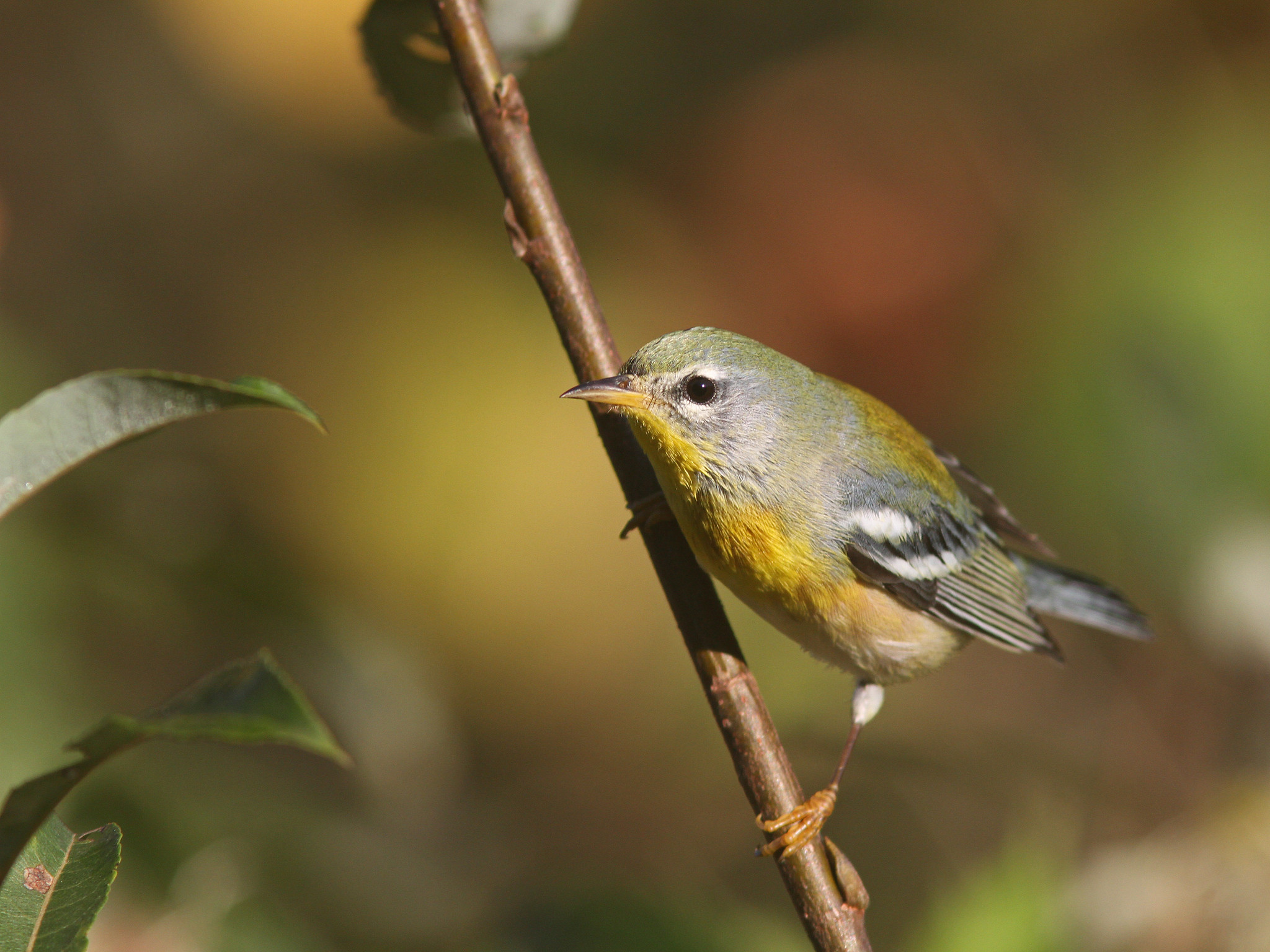
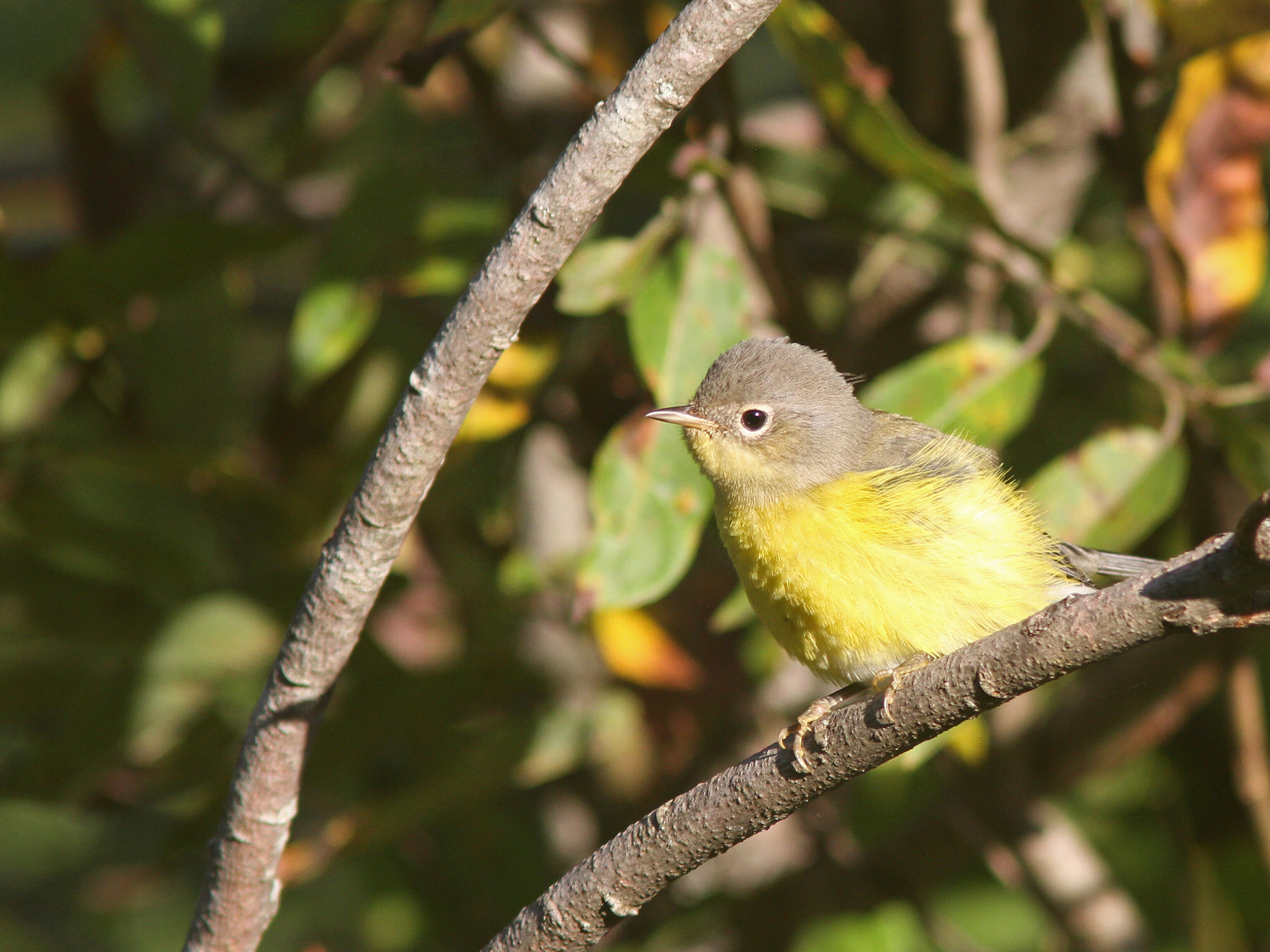
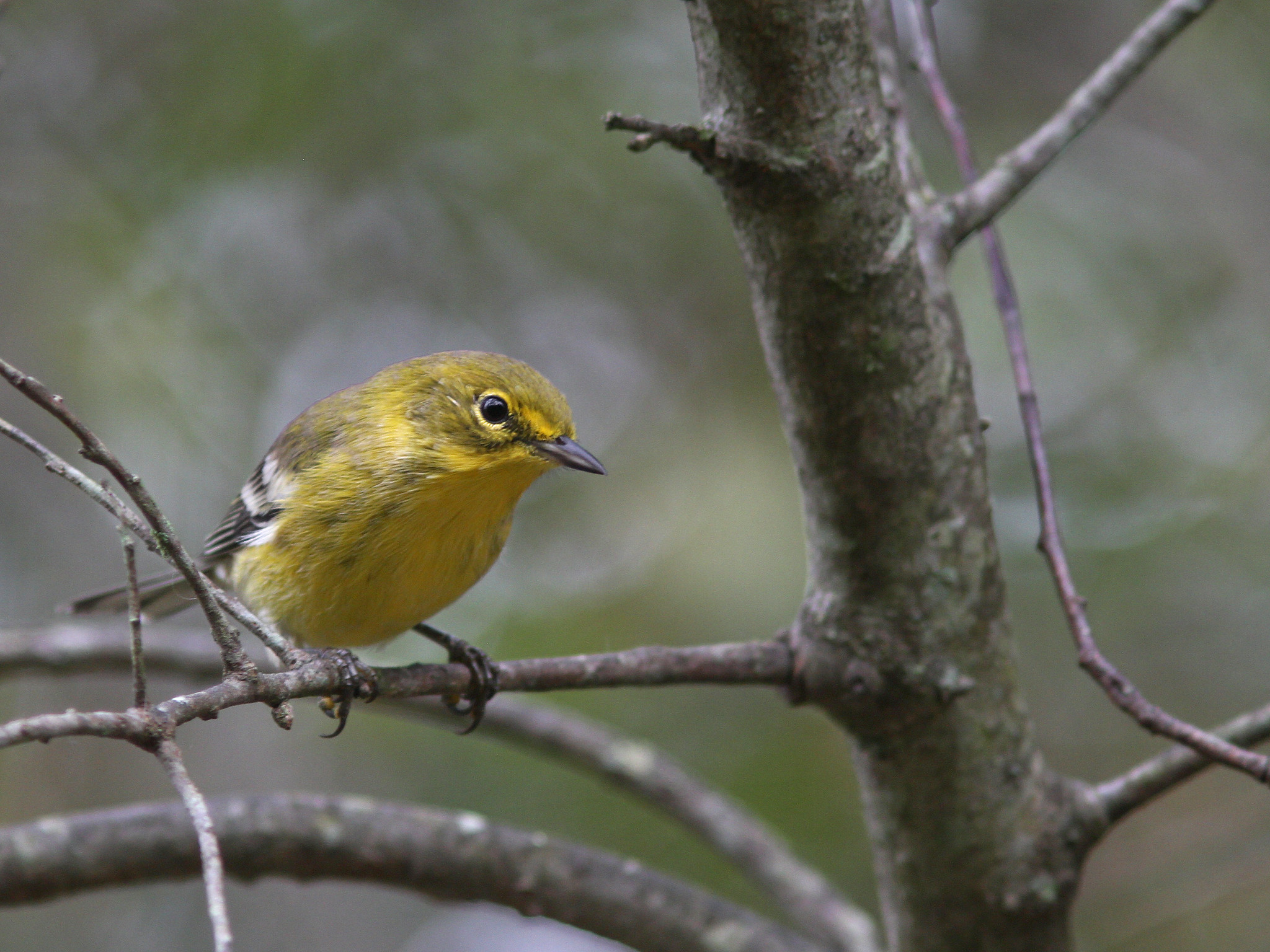
I figured I would do an update on the recent hurricanes that have devastated a number of islands in the Caribbean and what impact these storms had on the various warbler species that call these islands home. As I mentioned in a previous post Barbuda was absolutely destroyed by a direct hit from the powerful Category 5 Hurricane Irma. Satellite images show the complete denuding of all vegetation on the island with the previous tropical green color replaced by a dingy brown. The entire islands human population was evacuated immediately after the storm as the damage was that extensive (the first time in over 300 years that no humans were on the island). Before the storm the endemic Barbuda Warbler population was thought to number between 1500-2000 (about the same as the human population on the island). A brief return by a few researchers to the island found no warblers at all. The hope is that some were able to ride out the storm but the road ahead for them will be difficult with no vegetation left to provide cover and the all important insects the birds depend on. Certainly there is hope but it is not good news for this endemic. Thankfully the island just avoided more major hits when Jose veered off to the north a bit and Maria stayed south. This is one warbler species I have never seen and one I had plans to catch up with in the next couple years...hopefully I will still get a chance.
 |
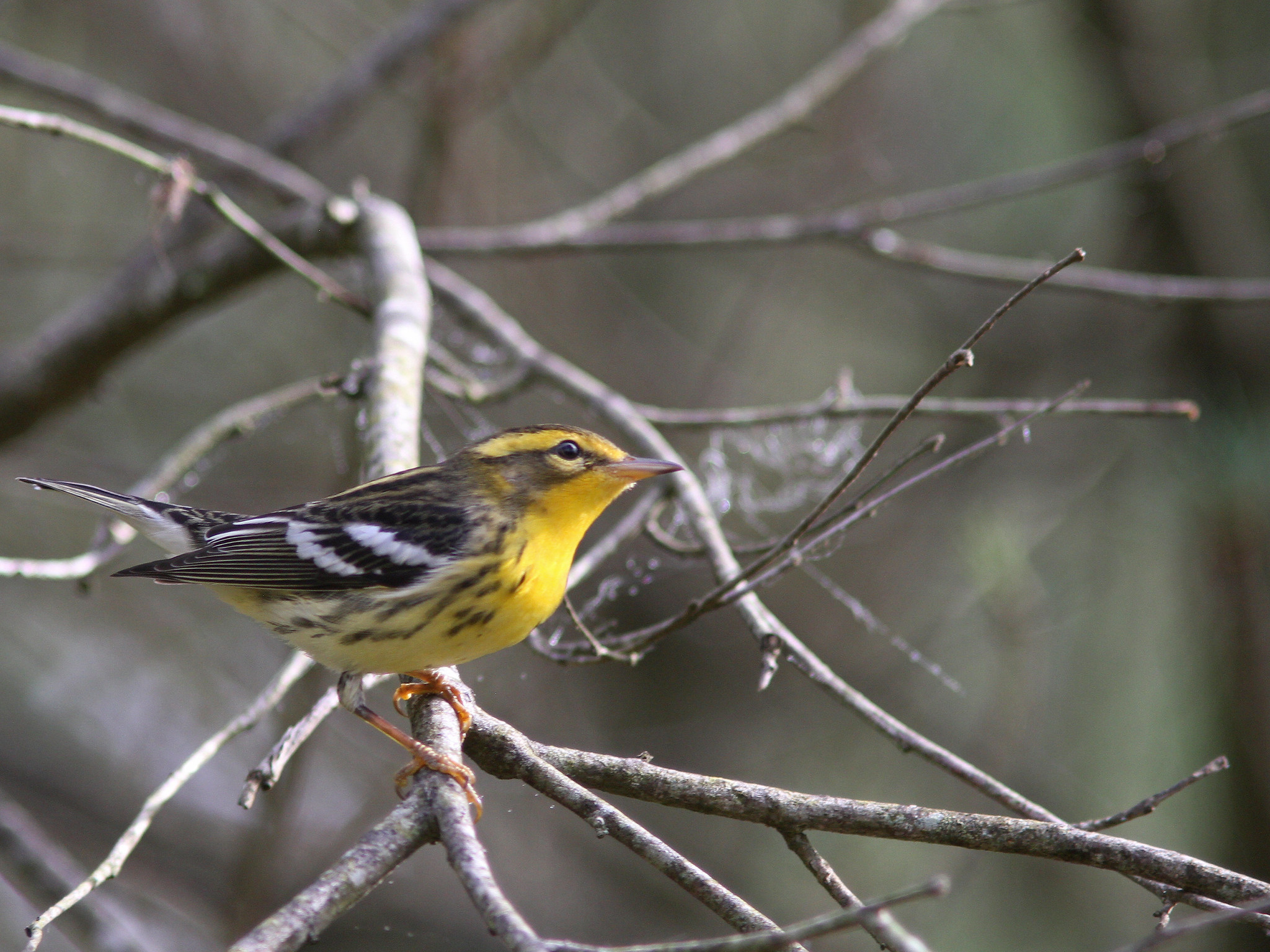
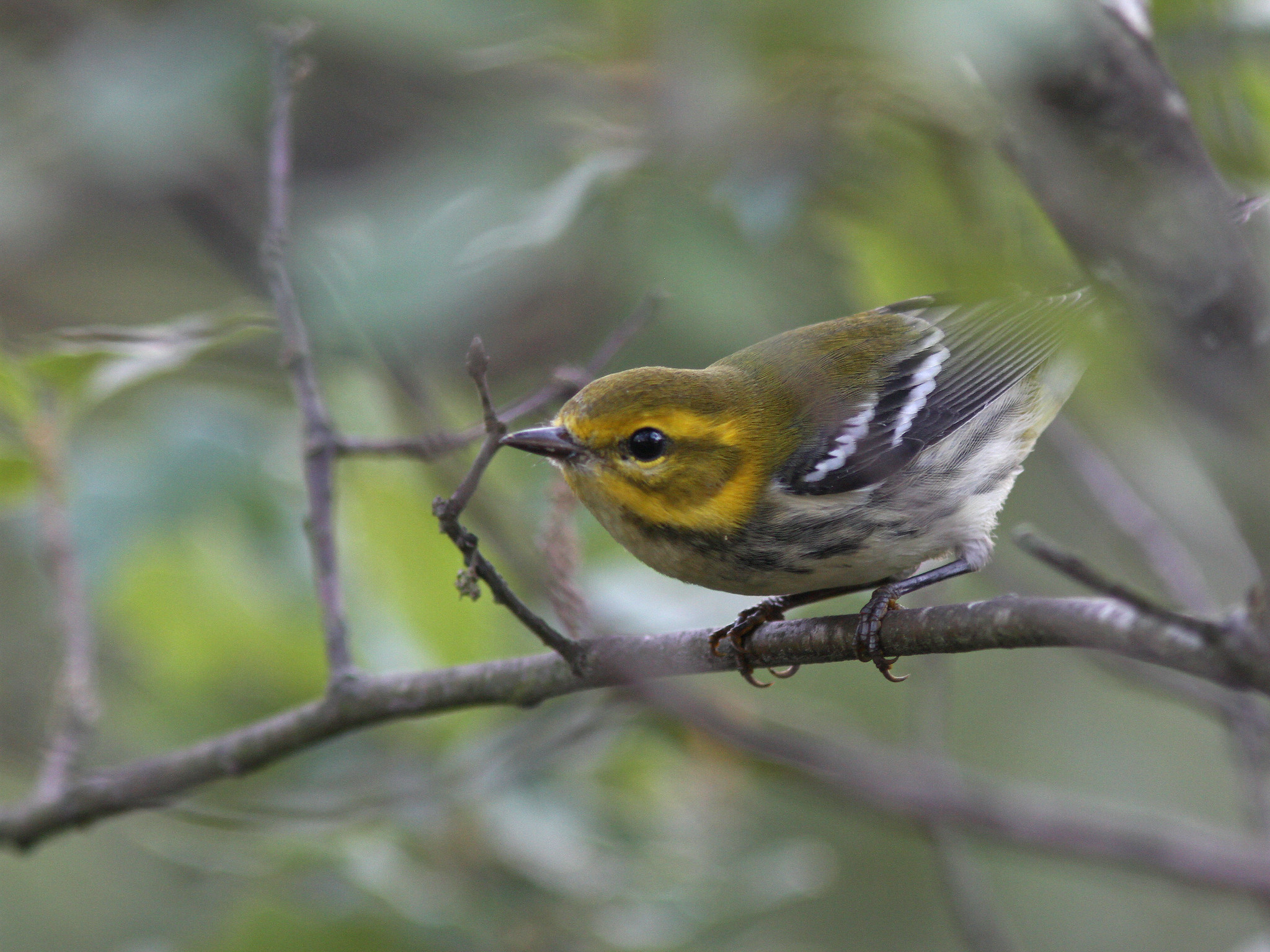
| Elfin Woods Warbler, Bosque Estatal de Maricao, Puerto Rico, Dec 3, 2016 |
 |
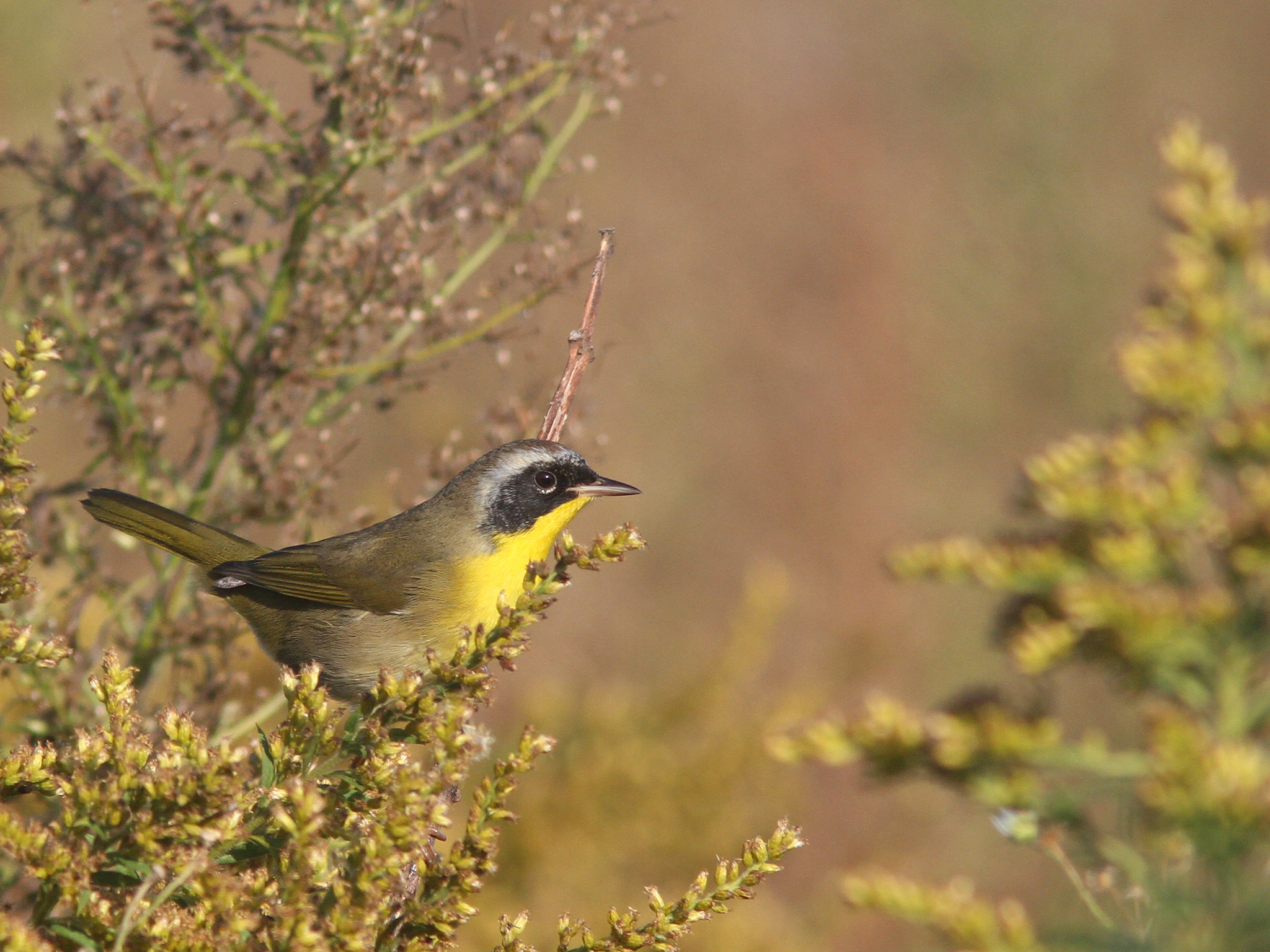
| Adelaide's Warbler, Ceiba-Roosevelt Roads Naval Station, Puerto Rico, Dec 2, 2016 |
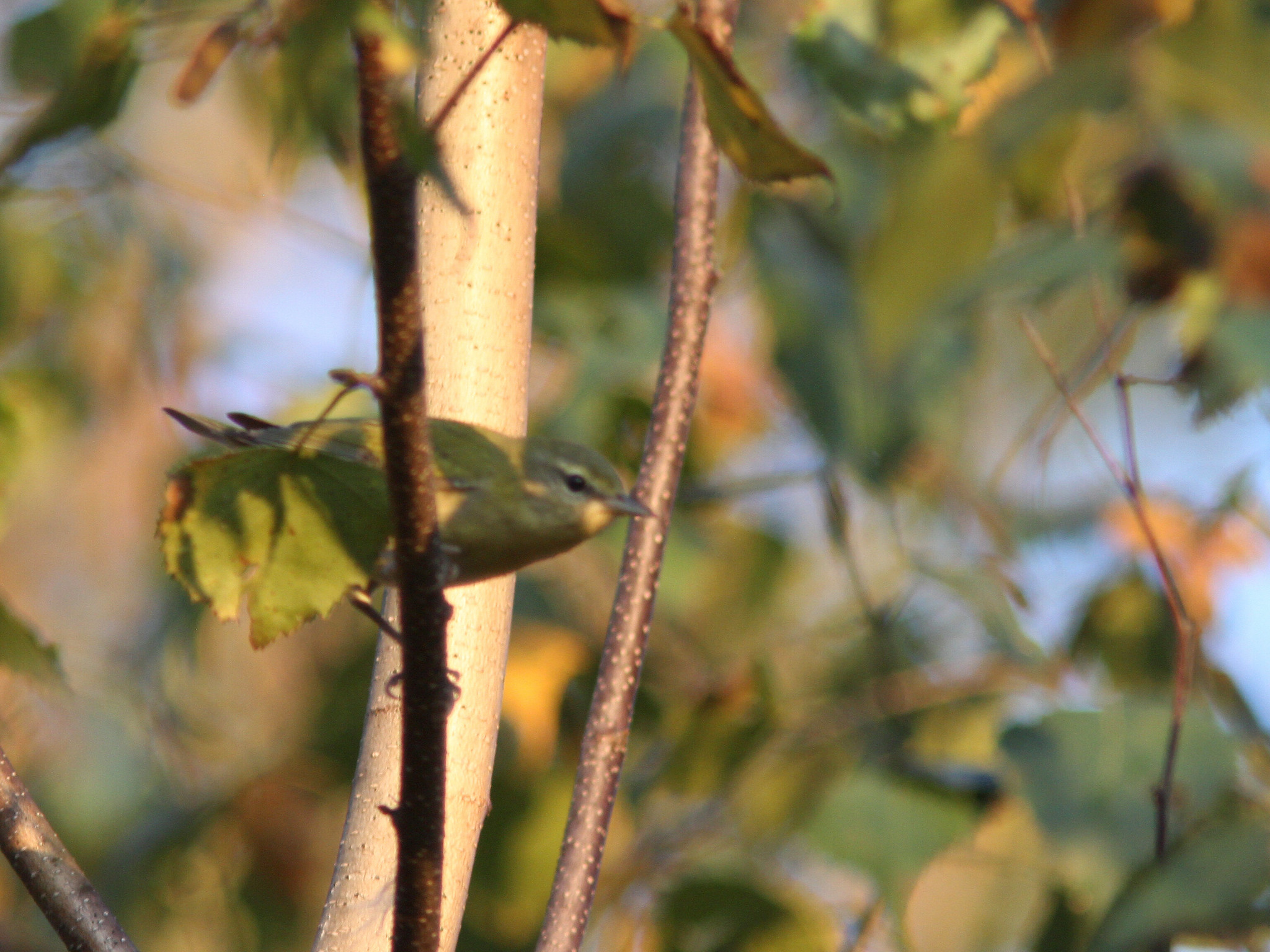
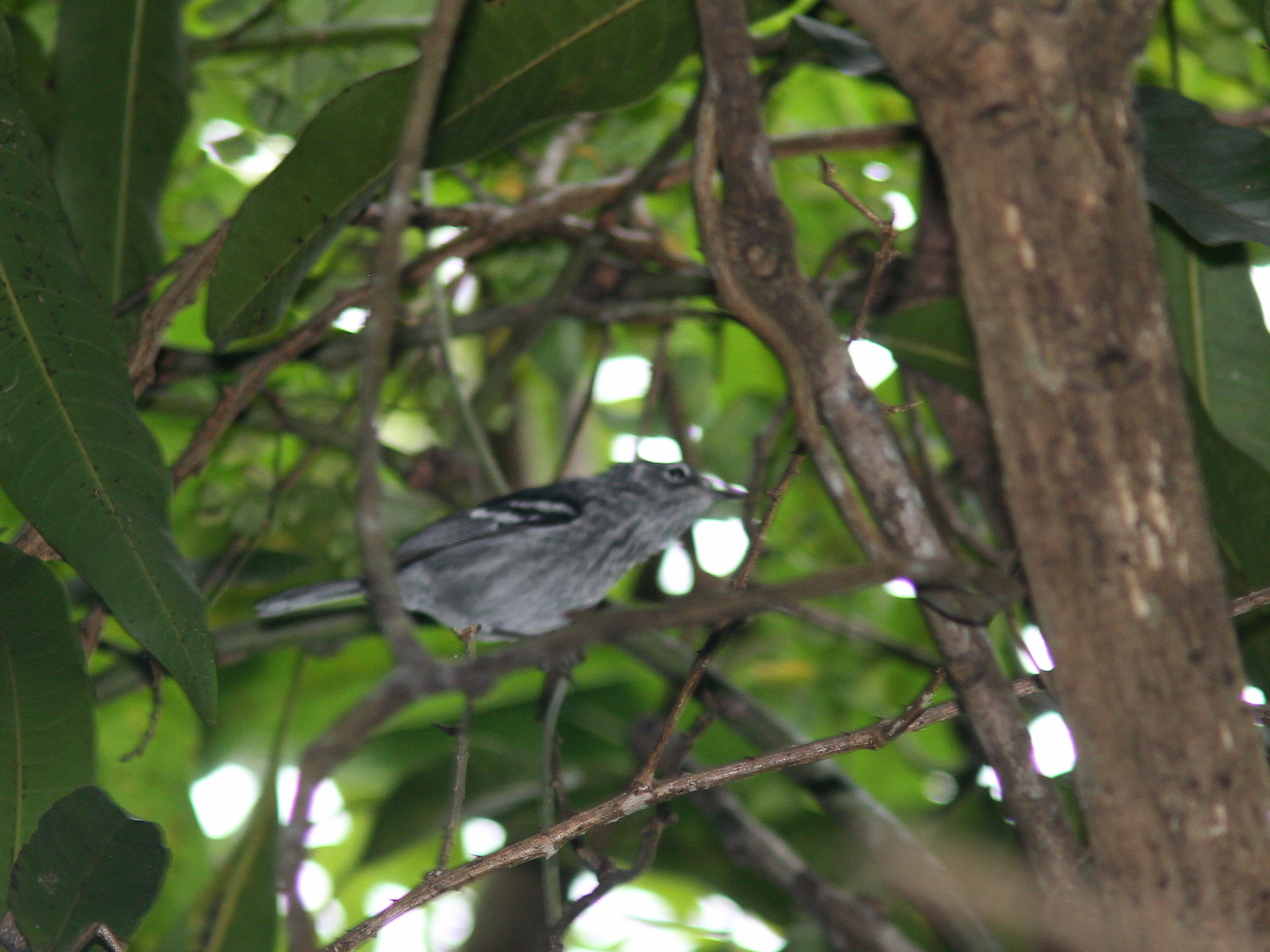
Hurricane Maria developed quickly and reached Category 5 status before landing a direct hit on the small, mountainous island of Dominica, home to the Plumbeous Warbler (found also on the nearby island of Guadelope). The damage on the island sounds like it is just as extensive as in Barbuda. Hopefully the mountainous terrain protected a few pockets of birds. I have plans to be down there in a few months and I hope the birds, the people and the island recover enough to allow the trip to go forward. After hitting Dominica the storm continued northwest and struck Puerto Rico directly on the southeast coast and traveled across the island bringing strong winds and heavy rain island wide. There are two endemic warbler species on the island, Adelaide's Warbler and Elfin Wood Warbler. The Elfin Woods Warbler is the rarer of the two and is considered endangered. I'm sure the population took a hit but hopefully a decent number pulled through. I was down in Puerto Rico last year and managed to find both warblers and I hope to make a return visit there someday to see them once again. Post from my visit there:
Puerto Rico Dec 2016
Hurricane Maria should continue off to the northwest and then north hitting the Turks and Caicos and southern Bahamas which may impact a number of migrant warblers including the endangered Kirtland's Warbler that winters in the area.
The hurricane season is not yet over and there is certainly a chance of additional storms to impact the area but hopefully the worst is behind them. The birds here have evolved with the existence of hurricanes but the difference is that habitat destruction and reduction due to human development and a variety of other human involved issues have moved ever smaller populations into smaller areas making the birds less able to recover from the storms. In addition the storms have continued to become stronger and more frequent as the climate continues to change due to global warming.
What can you do to assist?...you can always make a donation to Birds Caribbean to assist those that will be on the front line assisting the birds that made it though. Link here:
Birdscaribbean-Hurricane-Relief